Spiral Notebook Embroidery Design Review for Craft Fairs
As an embroidery designer preparing for a busy weekend at the local handmade market, my table needs to tell a story. It isn't just about stitching thread onto fabric; it is about curating a collection that stops browsers in their tracks. This week, I am evaluating the Spiral Notebook Embroidery Design to see if it earns a prime spot on my display rack. With the Back To School season approaching, themes of education, creativity, and organization are top of mind for shoppers. My goal is to determine if this specific machine embroidery design has the visual punch and practical versatility to become a best-selling craft fair product.
First Impressions and Visual Appeal
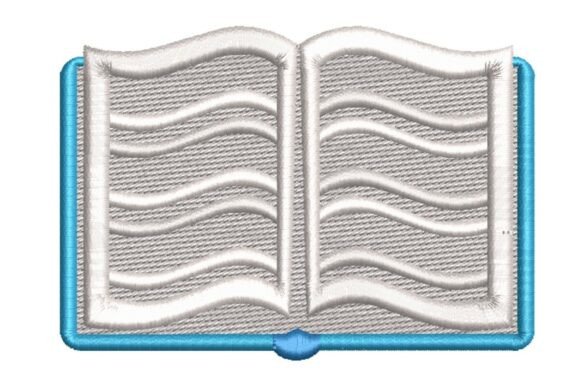
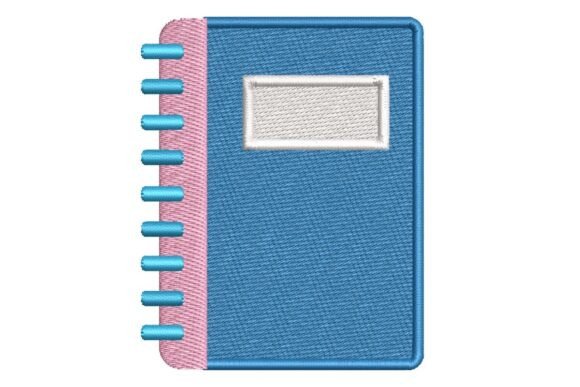
When I first loaded the digital embroidery file into my software to preview the stitch-out, the immediate impression was one of charming simplicity. The description highlights a stylized spiral-bound notebook with a textured blue cover. In the world of Embroidery, "textured" often implies satin columns or fill patterns that mimic the look of a real book cover without being overly dense. This design feels modern yet nostalgic, hitting that sweet spot between cute and functional. It does not scream "childish," which is crucial for appealing to adult buyers looking for teacher gifts or personal organizers. The outlined details suggest a clean finish that should read well from a distance, a vital factor when customers are walking past a booth.
The color palette implied by the description—likely blues and whites with potential accent colors for the spiral binding—offers excellent contrast. For a small shop product to succeed, it must be instantly understandable. A notebook icon is universal. Whether the customer is a student, a teacher, or a bullet-journal enthusiast, the imagery communicates "creativity" in a split second. This clarity makes it an ideal candidate for a focal design on larger items or a subtle accent on accessories.
Strategic Product Placement for Maximum Sales
To maximize the potential of the Spiral Notebook Embroidery Design, I am mentally mapping it onto various blanks in my inventory. The versatility of this motif allows it to shine across different categories:
- Tote Bags and Market Bags: This is likely the strongest contender. A large-scale version of the design centered on a canvas tote bag design creates an instant statement piece. Teachers love carrying grading papers in style, and students appreciate the academic aesthetic. The blue cover will pop beautifully against natural or black canvas.
- Aprons and Tea Towels: For the home office or the creative studio, an apron embroidery featuring this notebook adds a touch of whimsy to workwear. Similarly, tea towel embroidery is a huge seller at craft fairs. Placing the design in the corner of a flour sack towel creates a ready-to-gift item for educators.
- Patches and Pouches: If the design scales down well without losing detail, it becomes a perfect embroidered patch for ironing onto denim jackets or backpacks. It also works wonderfully on small fabric pouches meant for holding pens, pencils, or art supplies.
- Caps and Pillow Covers: While possible, these require more caution. The curved surface of a cap can distort wide designs, and pillow covers need to account for seam allowances. However, a simplified version could work as a pocket detail on a tote or a small motif on a cushion.
Production Practicality and Batch Efficiency
From a production standpoint, time is money. When running a booth, I need designs that are reliable and repeatable. The Spiral Notebook Embroidery Design appears to have a balanced structure. Assuming the "textured blue" does not equate to an excessively high stitch density, this design should run quickly on single-head machines. Low density means less thread breakage and faster turnaround times, allowing me to restock popular items like tote bags between sales rushes.
Photography is another critical element for the modern Etsy seller. Even if I am selling primarily in person, having strong online listings requires photogenic products. The clean lines and recognizable shape of the notebook make this design highly "instagrammable." It creates a clear subject for printable mockup creation, allowing me to generate design assets for social media promotion before I even stitch the first sample. A design that photographs well translates directly to higher perceived value and buyer engagement.
Critical Considerations for Quality Control
Despite its promise, every designer knows that a pretty picture on a screen does not guarantee a perfect finished product. There are several technical hurdles to clear before committing to a full production run. First, I must address the issue of thread colors. The description mentions a blue cover, but the outline color is unspecified. I need to test contrasting thread shades to ensure the spiral binding and page edges do not get lost against the background fabric.
Fabric choice is equally important. On thick fabrics like tote bags or towels, the needle penetration can cause puckering if the wrong stabilizer is used. I recommend using a cut-away stabilizer for stretchy knits or heavy towels to maintain the integrity of the notebook shape over time. Conversely, on thin fabrics like tea towels, a tear-away might suffice, but one must be careful not to distort the delicate spiral lines during removal.
Furthermore, sizing matters. If I attempt to shrink this design too small for a pocket logo or a tiny pouch, the "textured" fill and the fine lines of the spiral binding may merge into a blob. It is essential to respect the minimum size limits of the embroidery file. I also need to verify the hoop size requirements. If the design is tall due to the spiral binding, it might require a rectangular hoop rather than a standard square one, which impacts how many items I can gang-stitch at once.
Final Verdict and Designer Notes
The Spiral Notebook Embroidery Design holds significant potential for a Back To School collection. Its thematic relevance, combined with a clean and modern aesthetic, positions it well for both impulse buys and targeted gift purchases. To ensure success, I will follow a strict testing protocol:
- Test on Scrap Fabric: Before cutting into premium blanks, I will stitch the design on scraps of the exact materials I plan to sell (canvas, linen, cotton) to check for registration issues.
- Check Contrast: I will experiment with different thread combinations to see which offers the best readability on dark versus light fabrics.
- Review Spacing: I will inspect the spacing between the spiral coils to ensure they do not fill in during washing.
- Confirm Licensing: Most importantly, I will double-check the commercial licensing terms. As a boutique maker, selling commercial embroidery products requires explicit permission to use the digital embroidery file for finished goods intended for resale.
In conclusion, this design feels like a winner for the upcoming market season. It bridges the gap between functional utility and decorative charm. By paying attention to fabric texture, stabilizer choice, and sizing constraints, I can transform this digital asset into a tangible product that resonates with customers. Whether it ends up on a teacher's tote or a writer's journal cover, the Spiral Notebook Embroidery Design is poised to add value to any handmade booth.