School Elements: A Designer's Review for Custom Embroidery
As an embroidery designer who spends countless hours digitizing and stitching for clients, I am always on the lookout for design assets that strike the right balance between whimsical charm and technical reliability. Recently, I came across School Elements on Creative Fabrica, a collection described as adding a "dash of charm" to fabrics. Before committing this machine embroidery design to a paid customer order, I needed to evaluate whether it holds up under the scrutiny of real-world production. This review breaks down my honest assessment of using these files for commercial projects, from boutique apparel to handmade gifts.
First Impressions and Visual Mood
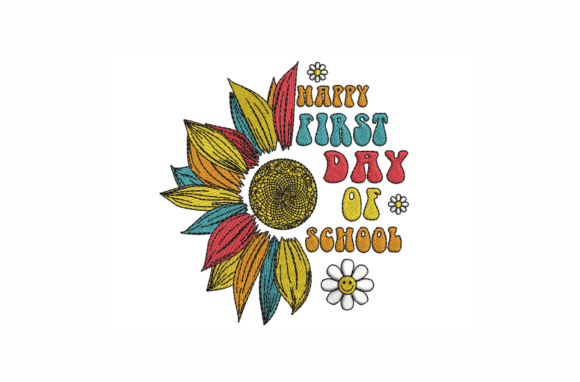
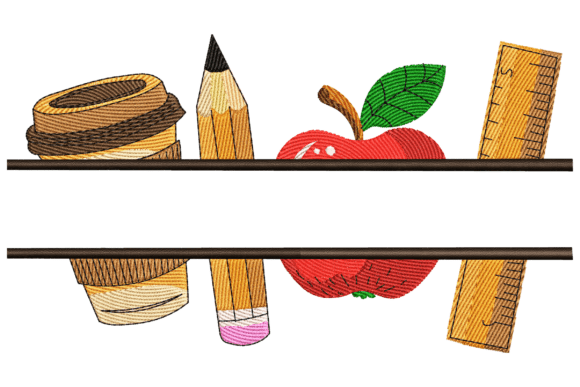
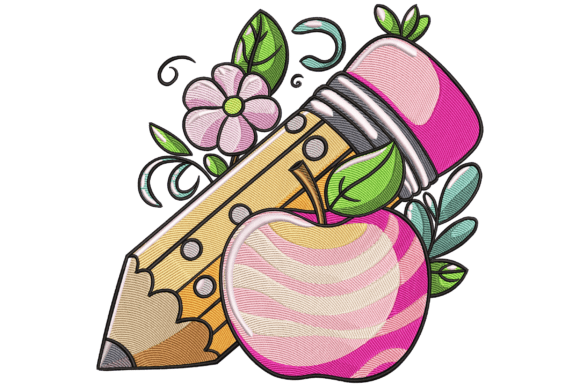
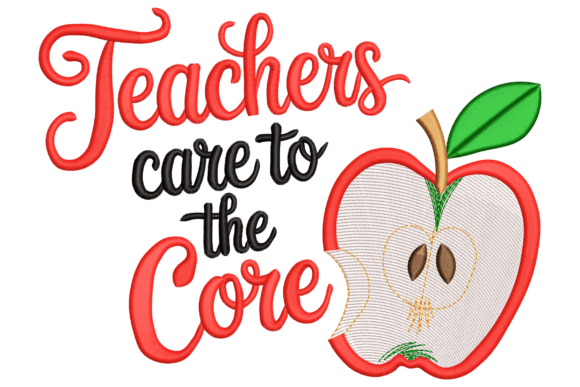
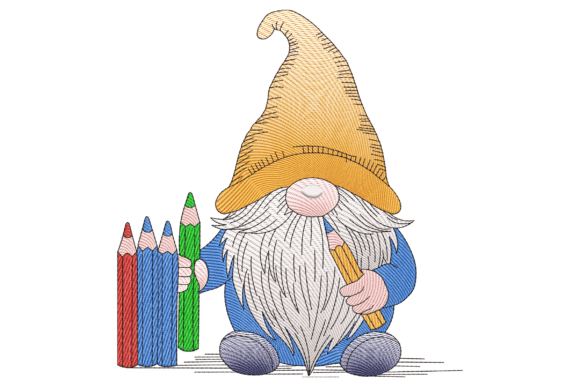
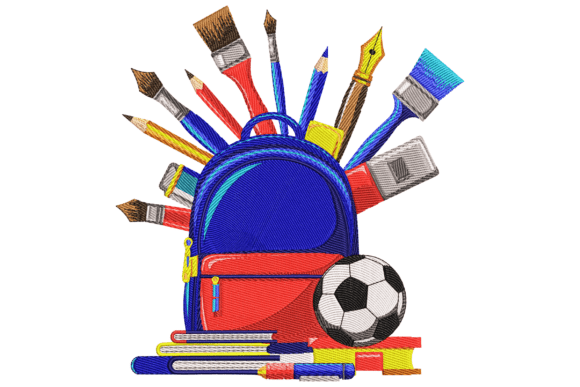
The moment I previewed the School Elements collection, the playful and whimsical tone was immediately apparent. For designers targeting the back-to-school season or creating nursery decor, the visual mood is spot-on. The designs appear to carry a decorative appeal that fits naturally into the School category without feeling overly cartoonish or juvenile. This versatility is crucial when you are trying to maintain brand consistency across different product lines.
What stands out initially is the potential for these motifs to elevate a simple handmade product. Whether applied to a plain tote bag or a structured cap, the personality of the stitching suggests a high level of detail. However, visual appeal on a screen does not always translate perfectly to thread. My primary concern with any new embroidery file is how the digitizing handles complex shapes and whether the stitch types—be it satin stitch, fill stitch, or running stitch—are optimized for speed and coverage.
Real-World Application Scenarios
To truly test the value of School Elements, I imagined deploying them across a variety of common commercial embroidery products. Here is how I see these designs performing in specific scenarios:
- Custom Apparel and Sweatshirts: The whimsical nature of the designs makes them ideal for sweatshirt embroidery. Placed on the chest or sleeve, they can turn a basic garment into a trendy, seasonal item. The key here is ensuring the stitch density is not too high, which could cause the fabric to pucker, especially on softer fleece materials.
- Tote Bags and Aprons: These items often use heavier canvas or cotton twill. School Elements would likely pop beautifully on a tote bag design, offering a durable and attractive option for students or teachers. The robust nature of these fabrics supports detailed stitching well.
- Nursery Decor and Pillow Covers: For home decor, the playful touch mentioned in the product description adds a perfect accent to pillow covers or wall hangings. The designs could serve as the focal point of a personalized gift set for a new classroom or a child's room.
- Caps and Patches: Applying these to curved surfaces like caps requires careful hoop placement. If the design includes fine details, creating an embroidered patch first might be a safer bet than stitching directly onto the cap, ensuring the integrity of the small elements.
Technical Considerations for Production
While the aesthetic is promising, a professional evaluator must look at the technical constraints. When working with School Elements, several practical factors come into play that can make or break a finished product.
Fabric Challenges: Not all fabrics behave the same. On stretchy materials, such as those used for t-shirts, the risk of distortion is real. It is essential to use the proper stabilizer—likely a cut-away for knits—to support the stitching. Conversely, on textured fabrics, the visibility of the thread colors might be slightly muted, so choosing high-contrast threads is vital to ensure the design remains legible.
Detail and Density: Whimsical designs often include tiny lettering or intricate layered details. Before running a full production batch, one must inspect small details after stitching a test sample. Dense stitch areas can lead to thread breaks or needle deflection if the machine isn't tuned correctly. Additionally, if the design features small text, verify that it remains readable on dark fabric; sometimes, a light underlay or a change in thread shade is necessary.
Hoop Size and Placement: Always confirm the hoop size required for the specific motif you choose from the collection. Trying to force a large design into a small hoop can result in missed stitches or damaged equipment. For items like kitchen towels or aprons, ensure there is enough clearance around the design area to avoid hitting seams or hems.
Impact on Product Value and Brand Trust
In the competitive world of Etsy sellers and craft fair vendors, the quality of your embroidery directly influences buyer trust. Using a well-digitized Creative Fabrica embroidery pack like School Elements can significantly enhance your handmade presentation. High-quality stitching signals professionalism, which justifies a higher price point and encourages repeat customers.
Furthermore, these designs can improve your product photography. A crisp, colorful school-themed motif on a neutral background creates a strong visual hook for online listings. Whether you are creating a printable mockup for digital sales or photographing a physical custom apparel item, the visual appeal of the design drives customer engagement. Consistency in using these elements across your shop can help build a recognizable brand identity centered around fun, educational, or youthful themes.
Essential Pre-Production Checklist
Before you download School Elements and start stitching for profit, I recommend following this practical checklist to ensure success:
- Test on Scrap Fabric: Never skip the test stitch. Use the exact fabric and stabilizer combination you plan to use for the final order to check for puckering or registration issues.
- Check Thread Contrast: Review how the design looks on both light and dark fabric mockups. You may need to adjust thread charts for optimal visibility.
- Review Stitch Density: Examine the back of the test stitch. If there is excessive thread buildup, consider editing the file or adjusting tension settings.
- Verify Licensing: Crucially, confirm file details and licensing terms on the Creative Fabrica product page. Ensure that the license allows for commercial embroidery and the sale of finished physical goods.
- Inspect File Formats: Since specific file formats and machine compatibility were not explicitly detailed in the brief description, verify that the download includes the correct extensions for your specific embroidery machine.
In conclusion, School Elements offers a charming and versatile option for designers looking to expand their seasonal offerings. With its playful aesthetic, it fits well within the School niche for various applications. However, as with any digital embroidery file, the final result depends on careful preparation, material selection, and adherence to best practices. By testing thoroughly and understanding the technical nuances, you can confidently use these designs to create high-value products that delight your customers.