Review: Book Lover Machine Embroidery Design
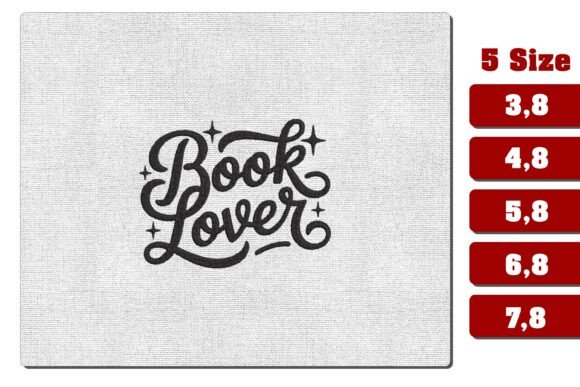
As a designer who spends more time staring at stitch maps than most people care to admit, I approach every new machine embroidery design with a mix of excitement and skepticism. We have all downloaded a file that looked stunning on the screen but turned into a bird's nest of thread breaks and puckering on the hoop. So, when I pulled up the Book Lover Machine Embroidery Design, my first instinct wasn't to click "buy" immediately, but to analyze the digitizing logic behind those flourished retro letters.
The visual personality of this piece is immediately striking. It captures that specific nostalgic mood found in old library card catalogs and vintage bookstore signage. The typography isn't just bold; it has character, wrapped in delicate flourishes that suggest a love for storytelling without being overly fussy. For those of us in the School sector or creating educational materials, this hits a sweet spot between academic and whimsical. However, the real test for any embroidery file is not how it looks in a PNG preview, but how it behaves under the needle on actual fabric.
Putting the Design to the Test: A Real-World Scenario
To give this design a fair shake, I imagined a specific client request that comes up often in my craft business: a custom tote bag for a local independent bookstore's summer reading program. The client wanted something that felt premium but durable enough for daily use. This scenario forced me to evaluate the Book Lover Machine Embroidery Design through the lens of practical application rather than just aesthetics.
The layout of the design is well-balanced, which is crucial for a tote bag design. Often, retro typography files suffer from uneven weight distribution, causing the hoop to shift or the fabric to pucker around heavy text areas. In this case, the flourishes act as natural anchors, distributing the stitch density more evenly across the frame. If you are planning to use this for sweatshirt embroidery, the density seems manageable, provided you are using a medium-weight fleece or cotton blend. The design doesn't rely solely on massive fill stitch blocks, which can make garments stiff; instead, it utilizes a clever mix of satin columns for the lettering and finer details for the decorative elements.
Fabric Compatibility and Stitching Clarity
One of the biggest challenges with typographic designs is maintaining clarity on textured fabrics. I mentally ran through several substrates where this finished product could shine. On a smooth canvas tote or a crisp apron, the satin stitch work on the letters would pop beautifully, offering high definition. However, if you are aiming for baby embroidery on a soft, napped onesie, you need to be cautious. The finer flourishes might get lost or pull unevenly on high-pile fabrics unless you use a generous amount of cut-away stabilizer.
For custom apparel like t-shirts, the stretch factor is always a concern. While the design appears robust, the curved nature of some script elements means you must hoop your fabric with significant tension. If you attempt this on a cap, remember that curved surfaces distort linear designs. The central alignment of the text helps, but I would recommend running a test stitch-out on a scrap piece of the exact same material before committing to a client order. This is especially true if you are working with dark fabric; you will need to verify that the provided thread colors offer enough contrast or plan to manually adjust the color sequence in your software to ensure readability.
Commercial Viability for Etsy Sellers and Makers
For the Etsy seller or handmade shop owner, the value of a design lies in its versatility and the perceived quality of the final item. The Book Lover Machine Embroidery Design has strong commercial potential because it taps into a evergreen niche: literacy and reading. Whether you are creating holiday embroidery gifts for teachers, personalized items for book clubs, or branded merchandise for a boutique, this asset elevates the perceived value of the handmade product.
When creating printable mockup images for your online store, this design photographs well. The retro styling translates effectively into digital marketing assets, helping you sell the dream of the product before the customer even touches it. However, professionalism is key. Before listing this as part of your design assets for sale or using it in commercial embroidery projects, you must double-check the licensing terms included with the download. Some designers allow unlimited physical sales but restrict digital redistribution, while others have caps on the number of finished items you can produce annually.
Technical Considerations and Designer Notes
From a technical standpoint, there are a few areas where a keen eye should linger before stitching. First, inspect the small details within the flourishes. In lower-resolution downloads or if scaled down too much for a small hoop size, these intricate lines can merge, resulting in a muddy appearance. If your project requires a smaller footprint, such as on a pocket or an embroidered patch, ensure the file format you purchase allows for resizing without losing stitch integrity, or consider requesting a specialized size from the digitizer.
Thread choice will make or break this design. While the default color map might suggest a classic black or navy, do not be afraid to experiment. A metallic thread for the flourishes against a matte satin lettering could create a stunning texture contrast for a luxury small shop product. Conversely, for a more rustic, School-appropriate look, variegated threads could add depth to the larger fill areas. Just remember to test your tension settings; retro fonts often have sharp corners that require precise stopping and starting points to avoid thread bunching.
Ultimately, the Book Lover Machine Embroidery Design feels like a reliable tool in a creator's arsenal. It avoids the common pitfalls of over-digitized clip art, offering a clean path for the needle to follow. Whether you are decorating kitchen towels, creating nursery decor, or outfitting a team for a literary festival, this design holds up under scrutiny. It respects the intelligence of the viewer and the capabilities of modern machines. Just remember to treat every new file with due diligence: check your stabilizer, match your thread to your fabric, and always stitch a sample. That is the difference between a good hobbyist and a professional who delivers consistent, high-quality results every time.