Paper with Graph and Formulas: A Designer's Review
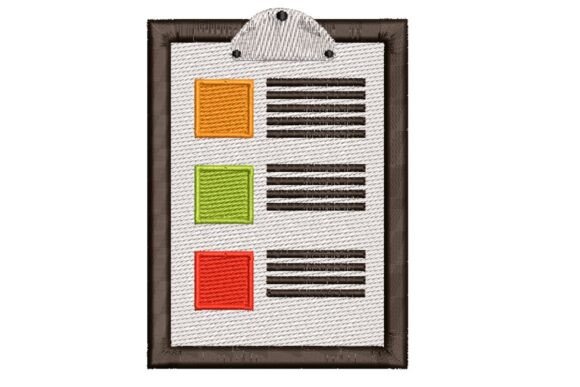
As an embroidery designer who spends most of my days digitizing custom logos and sourcing assets for client orders, I am always on the lookout for unique design assets that stand out in a crowded marketplace. Recently, I came across the Paper with Graph and Formulas listing on Creative Fabrica. At first glance, it caught my eye because it moves away from the typical floral or monogram motifs we see daily. Instead, it offers a detailed illustration of data paper, complete with a graph, numerical entries, and mathematical formulas. This review breaks down whether this specific machine embroidery design is viable for real-world commercial projects, from boutique apparel to handmade gifts.
First Impressions and Visual Mood
The immediate appeal of Paper with Graph and Formulas lies in its intellectual and academic aesthetic. In the world of School themed merchandise, designs often lean heavily toward apples, buses, or generic "Smart Kid" slogans. This asset feels different. It captures the mood of a researcher's desk or a mathematician's notebook. The visual complexity suggests a high level of detail, which can be both a blessing and a challenge for us as stitchers. The inclusion of graphs and formulas gives it a niche appeal, making it perfect for targeting STEM students, academics, engineers, or anyone who appreciates data visualization.
For a designer, the "stitching personality" of this piece seems to rely heavily on precision. Unlike a fluffy cloud or a simple heart, a graph requires clean lines to make sense. If the embroidery file utilizes a mix of running stitch for the grid lines and fill stitch for the graph bars or shaded areas, it could create a beautiful texture contrast. However, the success of this design depends entirely on how well those tiny numerical entries and formula symbols translate into thread.
Real-World Application Scenarios
When evaluating a new download, I immediately brainstorm where it fits in my product lineup. Paper with Graph and Formulas is not a one-size-fits-all motif; it requires a specific canvas to shine. Here is how I see it performing across various handmade product categories:
- Tote Bag Design: This is arguably the strongest use case. A canvas tote provides a flat, stable surface ideal for the intricate details of a graph. It appeals directly to college students carrying textbooks or professionals in tech fields.
- Sweatshirt Embroidery: Placing this on the chest or sleeve of a crewneck sweatshirt creates a subtle, intellectual vibe. It works well for university spirit wear that wants to move beyond standard varsity letters.
- Embroidered Patch: If the design allows for a merrowed edge or a satin border, this would make an excellent iron-on patch for backpacks or laptop cases.
- Nursery Decor: For parents who are scientists or teachers, this could be stitched onto a pillow cover or wall hanging for a modern, educational nursery theme.
- Aprons and Kitchen Towels: While less traditional, a "recipe by the numbers" angle could work for a baker who loves precision, though the math theme might feel slightly out of place unless marketed specifically to food scientists.
For Etsy sellers and small business owners, this design offers a chance to tap into the "Dark Academia" or "STEM Pride" niches. These audiences are often looking for personalized gift options that reflect their specific interests rather than generic trends.
Technical Considerations for Execution
Before committing to a customer order, we must address the technical realities of stitching such a detailed image. The description mentions "numerical entries" and "mathematical formulas." In embroidery, tiny text is the enemy of durability and clarity. If the stitch density is too high in these small areas, the thread will bunch up, turning numbers into illegible blobs. Conversely, if the density is too low, the fabric will show through, ruining the crisp look of the data paper.
I strongly advise testing this digital embroidery file on scrap fabric before cutting into your final material. Pay close attention to the following factors:
- Hoop Size Constraints: Ensure the design fits within your available hoop size without scaling it down so much that the details vanish. A 4x4 hoop might be too small if the design relies on fine lines.
- Fabric Selection: Avoid highly textured fabrics like heavy waffle weave or looped towels for this specific design. The uneven surface will distort the straight lines of the graph. Smooth cotton, poly-cotton blends, or twill are safer bets.
- Stabilizer Choice: Given the likely presence of long straight lines (grid) and potentially dense fills, using a high-quality cut-away stabilizer is crucial to prevent puckering, especially on stretchy fabrics like sweatshirts.
- Thread Colors: To maintain the "paper" look, you will need high contrast. Dark thread on light fabric is standard, but consider how the design looks on dark fabric. You may need to adjust the fill order or add a underlay if the original file doesn't account for dark garments.
- Curved Surfaces: Be cautious using this on caps. The curved front panel can distort the horizontal lines of the graph, making the data look warped.
Impact on Product Value and Branding
Incorporating Paper with Graph and Formulas into your catalog can significantly elevate your brand perception. It signals that you offer more than just cute; you offer smart, tailored designs. For commercial embroidery clients, such as a local university department or a tutoring center, this level of specificity builds trust. It shows you understand their identity.
Furthermore, the visual appeal of this design translates well into printable mockup photography. The geometric nature of graphs and formulas creates strong leading lines in product photos, which can increase customer engagement on social media. When a potential buyer sees a perfectly stitched equation on a high-quality hoodie, the perceived value of the finished product goes up. It moves the item from a simple commodity to a statement piece.
Final Verdict for Designers
Is Paper with Graph and Formulas worth downloading? If your target audience includes students, academics, or professionals in STEM fields, absolutely. It fills a gap in the market for sophisticated, non-generic academic decor and apparel. However, it is not a "load and go" design for beginners. It demands respect for machine limitations and fabric choices.
Before selling items made with this Creative Fabrica embroidery asset, please verify the license terms on the product page. Ensure that commercial use is permitted for the specific file formats provided. Also, check if the download includes multiple sizes or formats compatible with your machine. Remember, the description highlights its suitability for decorating study spaces, so keep your marketing focused on that ambiance.
Ultimately, this design is a powerful tool for the creative entrepreneur willing to pay attention to detail. By pairing it with the right thread colors, proper stabilization, and a thoughtful product choice like a sturdy tote or a premium sweatshirt, you can create a custom apparel line that resonates deeply with a knowledgeable and appreciative customer base. Just remember to stitch a test run first; in the world of data, accuracy is everything.