Huge Museum of History and Industry Review
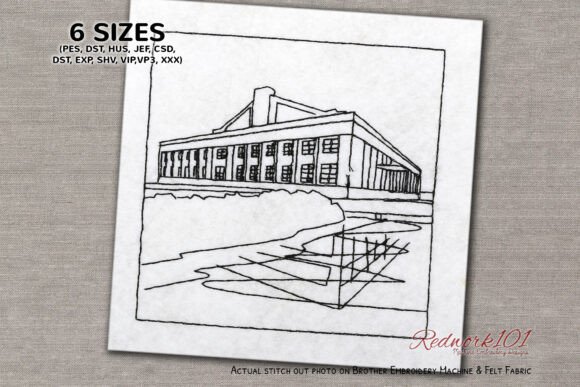
As an embroidery designer preparing for a busy weekend at the local craft fair, I spend a lot of time scrutinizing my digital assets before committing thread to fabric. The difference between a design that sits on the table and one that flies off the shelf often comes down to clarity, visual impact, and production practicality. Recently, I pulled the Huge Museum of History and Industry file from my library to evaluate its potential for my upcoming booth display. This clean and detailed line design of the Museum of History and Industry promises to be a standout piece for projects inspired by iconic landmarks, but does it hold up under the bright lights of a market stall?
First Impressions and Visual Appeal
When I first loaded the Huge Museum of History and Industry onto my screen, the immediate impression was one of architectural elegance. Unlike some novelty designs that rely on cute characters or farmhouse phrases, this piece feels premium and decorative. The description highlights a "clean and detailed line design," which translates beautifully to the physical world. In person, line art tends to look sophisticated, especially when executed with high-quality thread. It strikes a balance between modern minimalism and historic charm, making it versatile enough for various demographics.
The mention of a "box stitch" in the product imagery suggests a textured finish that adds depth without overwhelming the fabric. For a craft fair product, texture is key; customers love to touch items that feel substantial. This design does not scream "School" in a childish way, despite its category, but rather evokes a sense of learning, history, and civic pride. It feels like a design that would appeal to locals who love their city's heritage, tourists looking for a meaningful souvenir, or anyone who appreciates industrial chic aesthetics.
Product Applications for the Market Booth
Setting up my table, I had to decide where this machine embroidery design would perform best. I tested it mentally across my standard inventory of handmade goods:
- Tote Bags and Market Bags: This is likely the strongest contender. A large, detailed landmark looks fantastic centered on a canvas tote. The "Huge" aspect of the title implies it can scale well, serving as a bold focal point that catches the eye from three aisles away.
- Aprons and Tea Towels: For kitchen textiles, the line work offers a crisp contrast against cotton or linen. An apron embroidery featuring a local landmark elevates a basic utility item into a piece of wall art or a cherished gift. Similarly, tea towel embroidery benefits from the clean lines, which remain legible even after washing.
- Patches and Pouches: If digitized correctly for smaller scales, this could make an excellent embroidered patch. However, the level of detail mentioned in the description requires careful consideration regarding size. On a small fabric pouch, the intricate lines might blur if the stitch count is too high for the area.
- Caps and Pillows: Placing architectural designs on curved surfaces like caps can be tricky. The structural integrity of the building in the design needs to remain straight, which requires precise hooping. For pillow covers, it serves as a stunning centerpiece that adds a touch of sophistication to home decor.
Production Realities and Practical Selling Points
From a production standpoint, the Huge Museum of History and Industry seems designed for efficiency, provided the digitizer did their job well. Clean line designs are generally easier to troubleshoot than dense fill areas. For an Etsy seller or boutique maker, repeatability is crucial. If I am batching twenty tote bags for a Saturday market, I need a design that runs smoothly without constant thread breaks or trim issues.
The visual clarity of this design is a major selling point. Customers at a craft fair often make split-second decisions. A design that is instantly recognizable as a local landmark creates an immediate connection. It tells a story without needing a sales pitch. Furthermore, because it is a line design, it photographs exceptionally well for online listings. High-contrast images of finished products featuring this design will pop on social media feeds, driving traffic to both physical booths and digital shops.
Critical Considerations for Execution
While the potential is high, there are technical hurdles to clear before selling these as small shop products. The description notes "detailed line design," which is a double-edged sword. Here are the specific areas where I would exercise caution:
- Stitch Density and Fabric Texture: Detailed lines can get lost on textured towels or thick canvas if the stitch density isn't optimized. On a rough fabric, fine details may sink in. I would recommend testing on a smooth, tight-weave fabric first.
- Thread Contrast: To make the "box stitch" and line work stand out, thread choice is vital. Using a thread color that blends too much with the fabric will render the details invisible. High contrast is necessary for the architectural elements to be appreciated.
- Size Limitations: Do not assume this design works at any size. Tiny lettering or minute architectural details included in the "Museum" depiction may vanish if scaled down too far for a pocket or small pouch. Always check the minimum viable size.
- Curved Surfaces: Embroidering such a structured image on a cap requires a strong stabilizer to prevent distortion. If the building looks warped, the premium feel is lost immediately.
Maximizing Value and Brand Consistency
Incorporating the Huge Museum of History and Industry into a product line can significantly boost perceived value. Landmark-themed items often command a higher price point because they are seen as specialized rather than generic. For brand consistency, if your shop focuses on local history, travel, or educational themes, this design fits perfectly within the School and Embroidery niches without feeling out of place.
To truly leverage this digital embroidery file, I advise creating at least one high-quality real mockup before listing it as a commercial embroidery product. Take photos of the design on different fabric colors to show versatility. Use these images to create printable mockups for your online store. Seeing the design on a navy tote versus a natural linen apron helps the buyer visualize the end result, increasing buyer engagement and conversion rates.
Final Designer Notes
Before you commit to a full production run, treat this design with the respect it deserves. Test the Huge Museum of History and Industry on scrap fabric that matches your intended final product. Check your hoop size limits to ensure the "Huge" designation doesn't exceed your machine's capacity. Inspect the back of the sample for excessive jump stitches or bulk, which can affect comfort on wearables like aprons.
Most importantly, verify the licensing terms. The description mentions it is perfect for embroidery projects, but always confirm if the design assets include commercial rights for selling finished goods. Assuming you have the green light, this design offers a robust opportunity to create memorable, high-quality items that celebrate history while showcasing your stitching skills. With the right fabric and thread pairing, the Huge Museum of History and Industry could easily become the signature piece of your next craft fair collection.