Coffee Books Embroidery Design: A Designer's Review
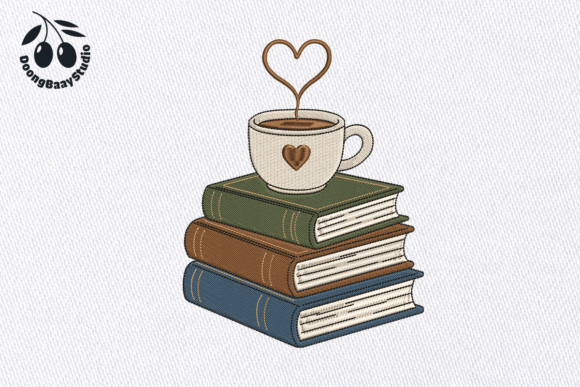
As someone who spends more time at the hoop than away from it, I know that a pretty preview image doesn't always translate to a stellar finished product. When I first pulled up the Coffee Books Embroidery Design, my initial reaction was one of immediate warmth. There is a specific mood this machine embroidery design evokes—it feels like a quiet Sunday morning. The concept of a cozy coffee cup resting on a stack of books, topped with that whimsical heart-shaped steam, hits a sweet spot for the "book lover" and "coffee addict" demographics that dominate so many of our custom orders.
However, liking a design and trusting it with a client's garment are two different things. In this review, I am breaking down how this embroidery file performs in real-world scenarios, looking past the marketing fluff to see if it holds up under the needle.
The Visual Personality and Layout
The layout of the Coffee Books Embroidery Design is compact yet detailed enough to command attention without overwhelming the fabric. The stacking of the books provides a solid base, which is excellent for structural stability during stitching. The cup sits naturally on top, and the heart-shaped steam acts as a clever focal point that draws the eye upward. This isn't just a random collection of objects; it tells a story.
From a technical standpoint, the balance between the geometric lines of the books and the organic curves of the cup and steam suggests a mix of fill stitch for the bodies and likely satin stitch for the outlines or the steam detail. This combination usually yields a professional look, provided the stitch density is managed well. If the density is too high, you risk puckering on lighter fabrics; if too low, the backing might show through on dark garments. My advice is to always request a close-up of the stitch map or run a test on scrap fabric before committing to a final piece.
Real-World Application: The Tote Bag Scenario
To truly evaluate this design, I imagined a specific project: a custom canvas tote bag for a local library fundraiser. This is a classic use case where the Coffee Books Embroidery Design shines. Canvas is a sturdy medium that can handle the weight of the stitches without distorting. The theme fits perfectly with the School and education category, appealing to teachers, students, and avid readers alike.
When visualizing this on a tote, the rectangular nature of the book stack aligns beautifully with the flat surface of the bag. Unlike curved surfaces like caps, where a wide design can warp, this layout remains true on flat goods. For an Etsy seller or small shop product creator, this design offers high perceived value. It transforms a plain $5 bag into a $25 boutique item. The heart steam adds that touch of personality that makes a handmade product feel special rather than mass-produced.
Versatility Across Apparel and Home Goods
Beyond tote bags, this embroidery project is incredibly versatile for custom apparel. Imagine this stitched onto the left chest of a heavyweight hoodie or a crewneck sweatshirt. The cozy theme matches the comfort of the garment. For sweatshirt embroidery, you must ensure you are using the correct stabilizer. Fleece and French terry can be tricky; a cut-away stabilizer is often necessary to prevent the design from sinking into the nap of the fabric over time.
I also see potential for this design in home decor. A linen tea towel or a pillow cover in a reading nook would benefit from this aesthetic. The thread colors chosen here matter immensely. While the default preview might show warm browns and creams, experimenting with seasonal palettes could expand your inventory. Think deep burgundy and gold for holiday embroidery, or pastels for a spring collection. The design is neutral enough to adapt to various color stories without losing its identity.
Technical Considerations and Fabric Choices
While the Coffee Books Embroidery Design is robust, it is not without its constraints. Designers need to be cautious when applying this to stretchy or thin fabrics. The stack of books implies straight lines; if stitched on a thin jersey t-shirt without proper stabilization, those lines may ripple after washing. Similarly, textured fabrics like heavy waffle knit might obscure the finer details of the heart steam or the book spines.
If you are considering this for an embroidered patch, ensure the hoop size accommodates the full width of the book stack. Patches require dense stitching and often a merrowed edge, so verify that the design files include a border or if you need to add one digitally. For baby embroidery, softness is key. You would need to ensure the back of the stitching is covered or that the stitch count isn't so high that it creates a stiff, uncomfortable patch on a onesie.
Another critical factor is the level of detail in the book spines. If the design relies on tiny running stitch details to depict titles or texture, these might get lost on dark fabrics or if the thread tension is slightly off. Always test the design in both light and dark backgrounds. A design that pops on white canvas might disappear on navy blue if the contrast isn't sufficient.
Business Value and Customer Trust
For craft business owners, consistency is currency. Using a high-quality digital embroidery file like this builds trust. When a customer receives a product where the stitches are clean, the shapes are distinct, and the theme resonates, they are more likely to return. The Coffee Books Embroidery Design has a universal appeal that transcends age groups, making it a safe bet for personalized gifts ranging from graduation presents for literature majors to birthday gifts for baristas.
Furthermore, this design works exceptionally well for printable mockups. Before you even stitch a single thread, you can create compelling marketing images for your online store. The clear silhouette allows for easy placement in digital previews, helping customers visualize the finished product on their desired items.
Final Verdict and Designer Notes
In conclusion, the Coffee Books Embroidery Design is a strong contender for any designer's library. It balances charm with technical feasibility. However, success lies in the preparation. Here are my practical notes for anyone planning to use this asset:
- Test First: Always stitch out on a scrap piece of the actual fabric you intend to use. Check for puckering or pull.
- Check Licensing: Before selling finished items or using this in commercial embroidery projects, confirm the license terms provided by the creator. Some files are for personal use only.
- Stabilizer Matters: Match your stabilizer to the fabric weight. Do not guess; the quality of the back determines the longevity of the front.
- Thread Contrast: Ensure your thread choices provide enough contrast between the cup, the books, and the background fabric to maintain clarity.
- File Formats: Verify that the download includes the specific format your machine requires (PES, DST, EXP, etc.) to avoid conversion errors that can ruin stitch quality.
This design is more than just a picture of coffee and books; it is a tool for creating connection. Whether you are decorating a boutique shelf or making a gift for a friend, the Coffee Books Embroidery Design offers a reliable, aesthetically pleasing solution that speaks to the heart of the maker and the receiver.